Common frog
Rana temporaria
Conservation status: Declining – Protected in the UK under the Wildlife and Countryside Act, 1981
When to see: Feburary to October
About
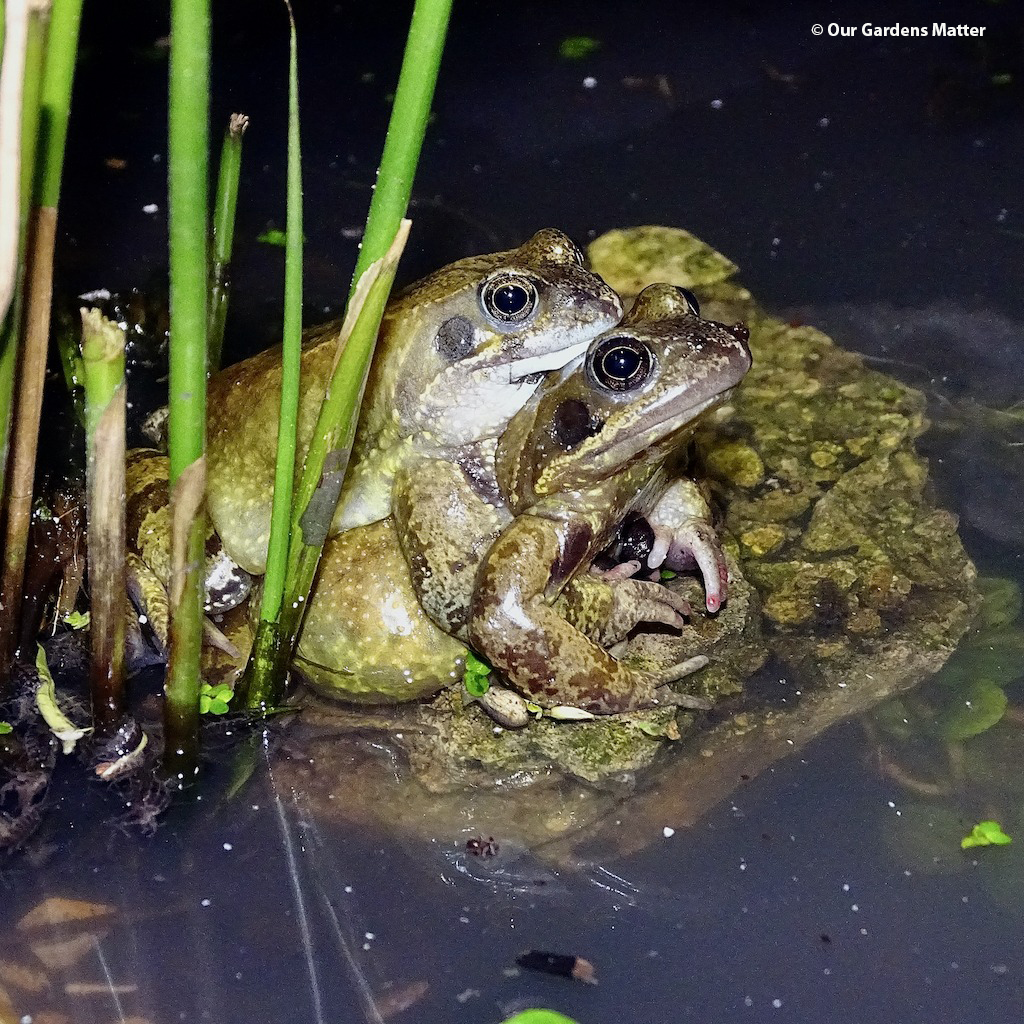
The common frog, or Rana temporaria, is a species of amphibian found throughout the UK. They are typically greenish-brown in color with dark spots and can grow up to 10cm in length. Their most notable feature is their bulging eyes with big round pupils. Common frogs have strong hind legs and webbed feet that enable them to jump great distances and swim efficiently. These amphibians are known for their unique vocalizations, producing a distinct “croaking” sound during the mating season. Additionally, they have smooth moist skin that allows for gas exchange through their skin allowing them to take in oxygen from both air and water. Overall, the common frog stands out as an interesting and adaptable aquatic creature with distinctive characteristics that make then an important part the ecosystem.
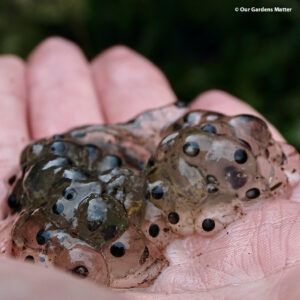
During the spring season, female frogs deposit their eggs in large clusters known as frogspawn in shallow bodies of water such as garden ponds or wetlands. The gelatinous substance enveloping the eggs serves as a protective barrier for the developing embryos, shielding them from predators and fluctuations in water temperature. Each individual egg within the spawn is marked by a distinct black dot, which will eventually hatch into a tadpole and undergo the process of metamorphosis to become an adult frog. The duration of this transformation from tadpole to frog can vary, taking several months depending on environmental factors such as water temperature and the availability of food sources.
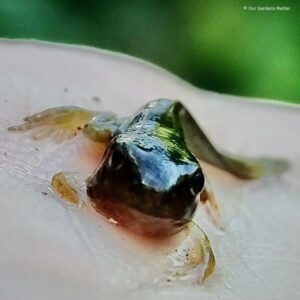
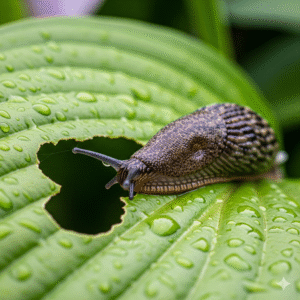
The ultimate transformation occurs when the tadpole transitions onto land, where its tail is absorbed as a source of protein, signifying the conclusion of the tadpole stage and the commencement of the froglet stage. The froglet becomes exclusively carnivorous, depending on its moist skin and lungs for respiration. Occasionally, the metamorphosis process may be delayed by overwintering in the pond and emerging as froglets the subsequent spring. Subsequently, the froglets will spend the ensuing three years on land before feeding on small insects, worms and slugs before attaining maturity and returning to the water to reproduce.
| See also different: | Garden amphibians |